Gdynia, Poland
Designing a school street that prioritizes children
The Project
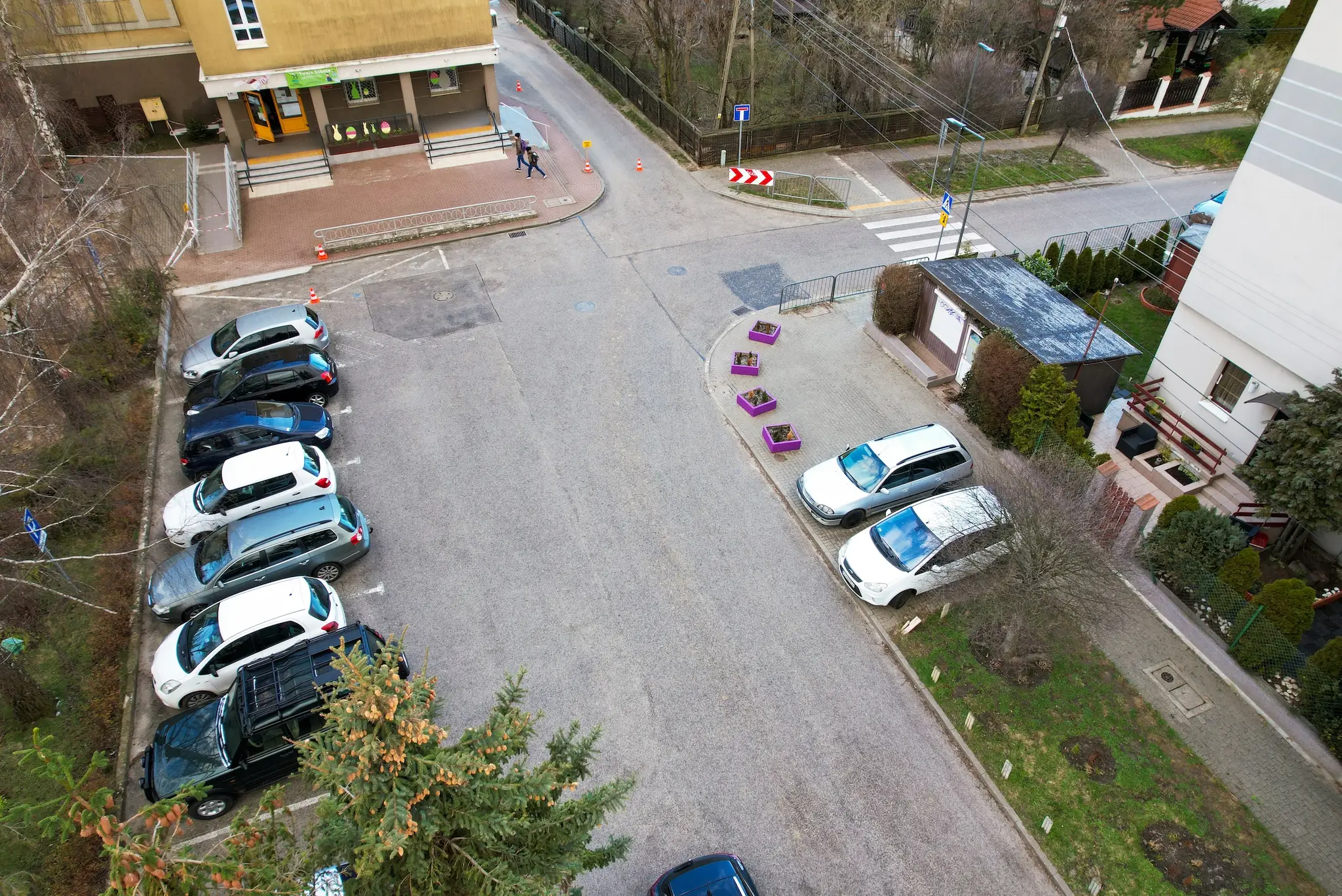
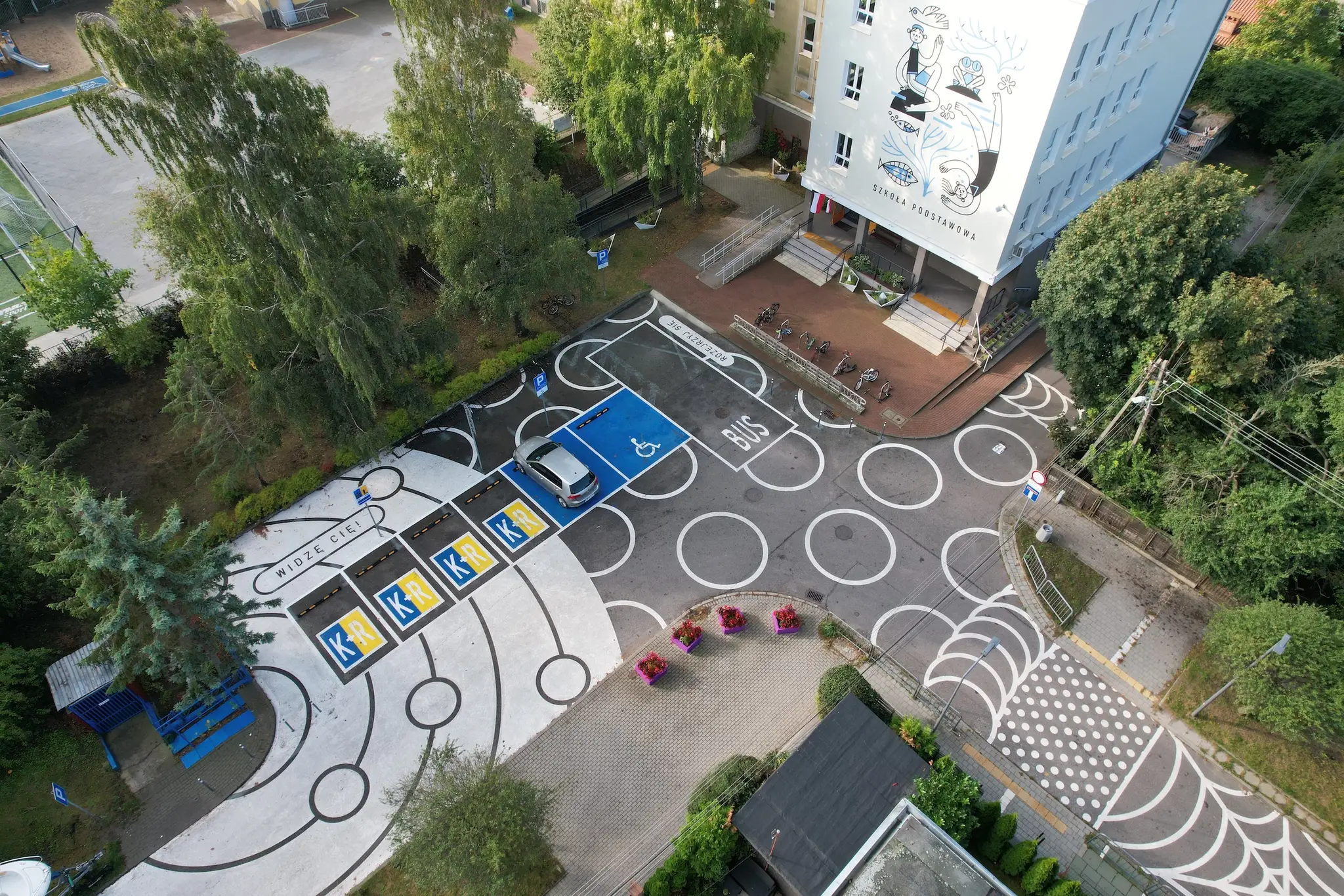
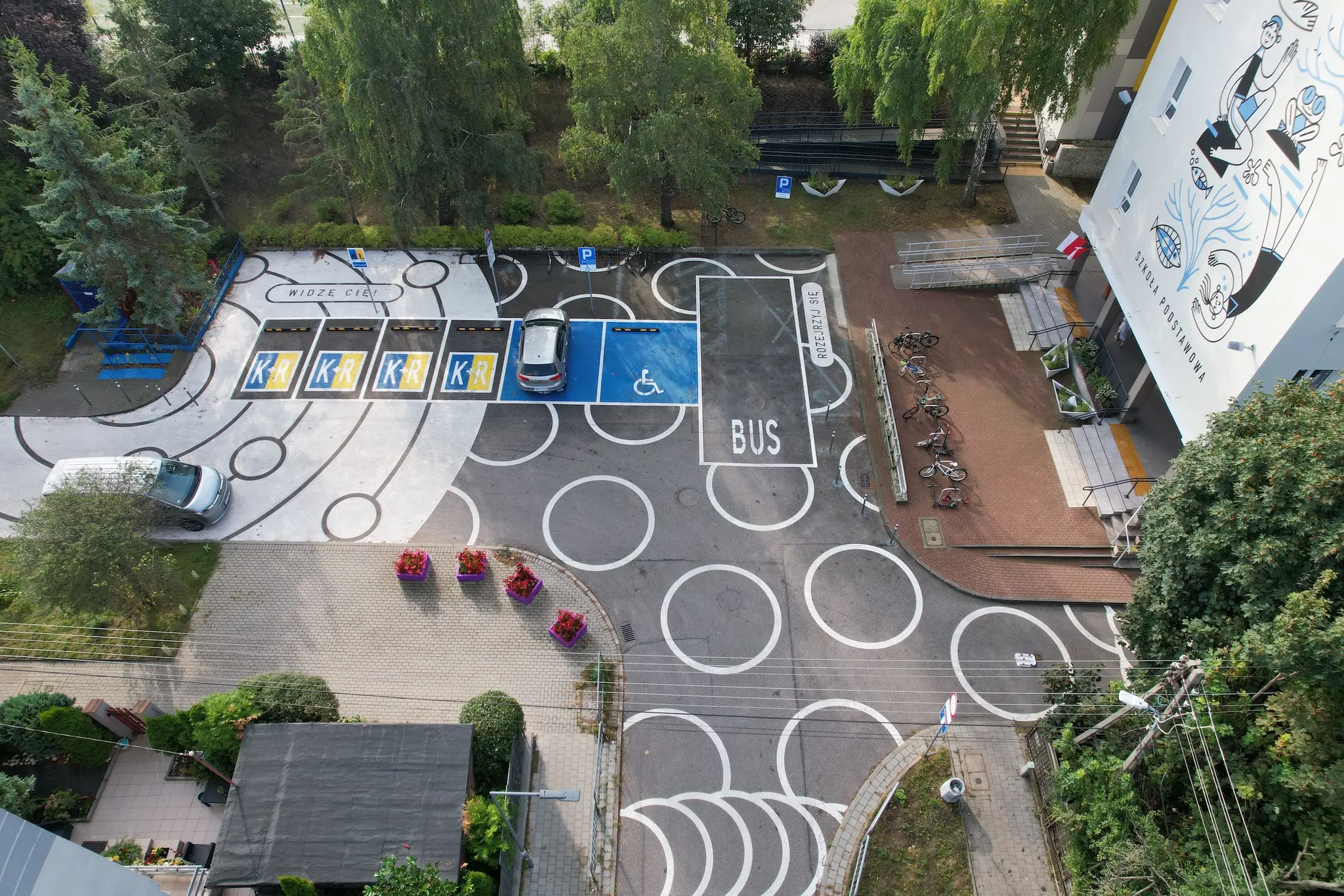
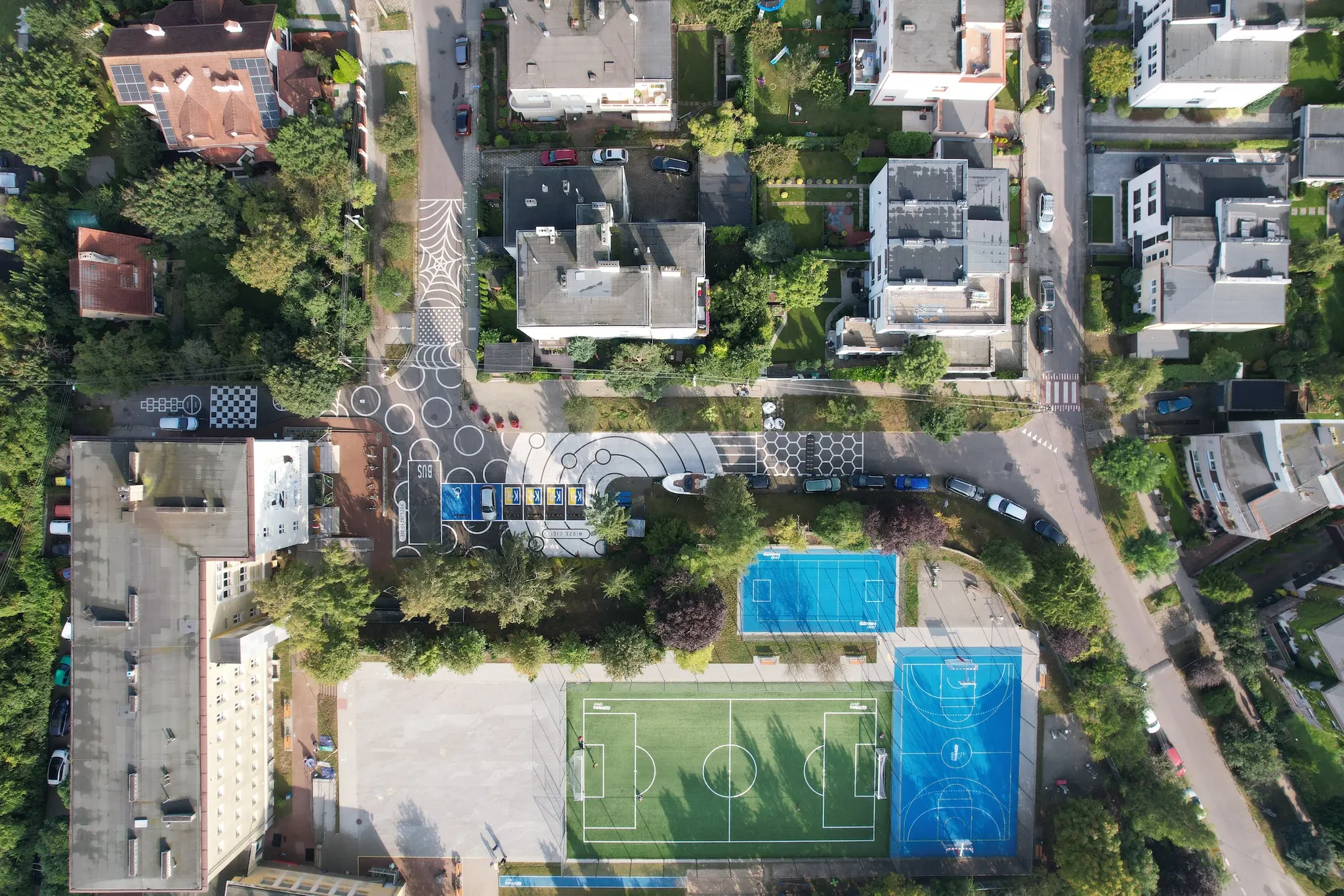
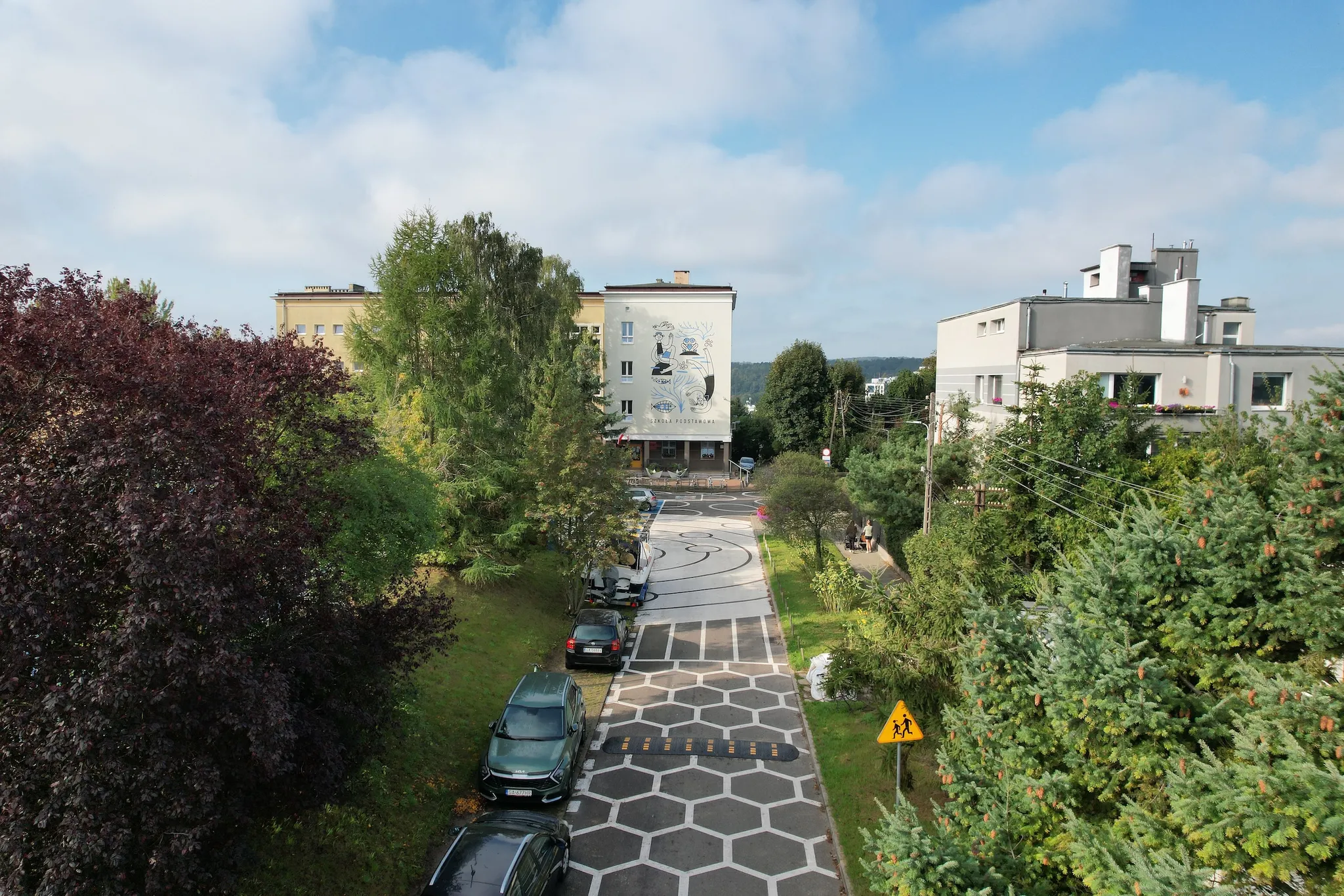
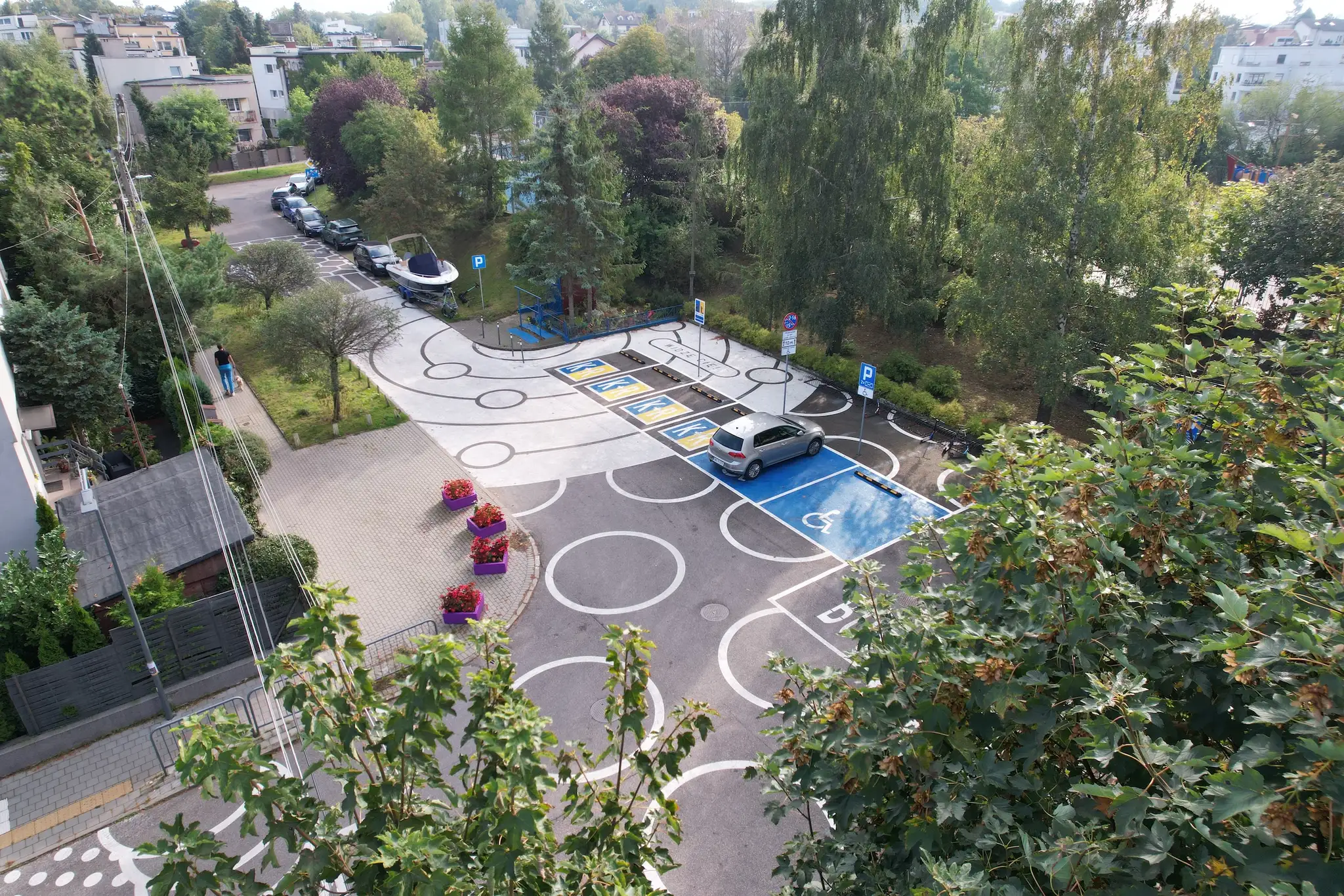
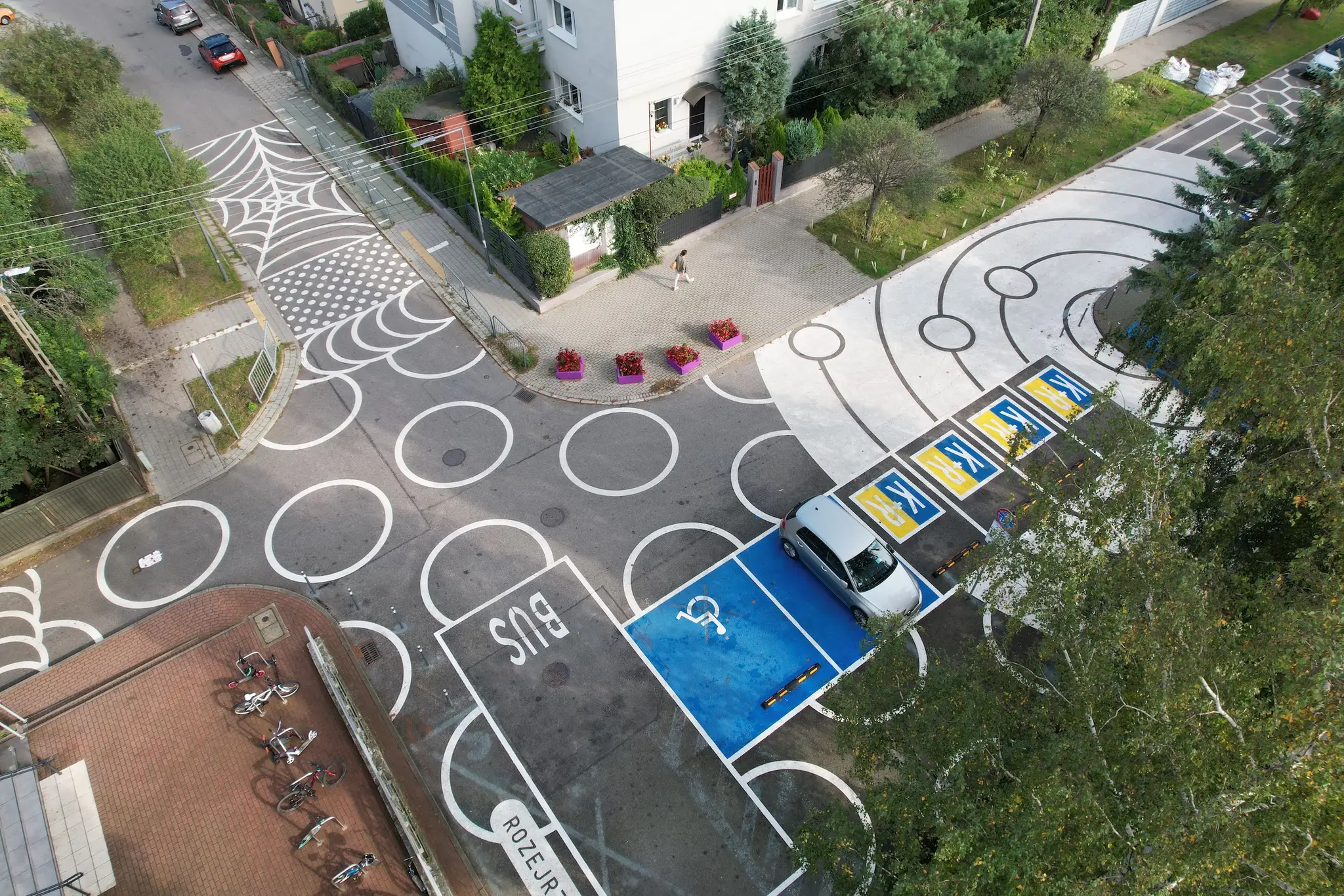
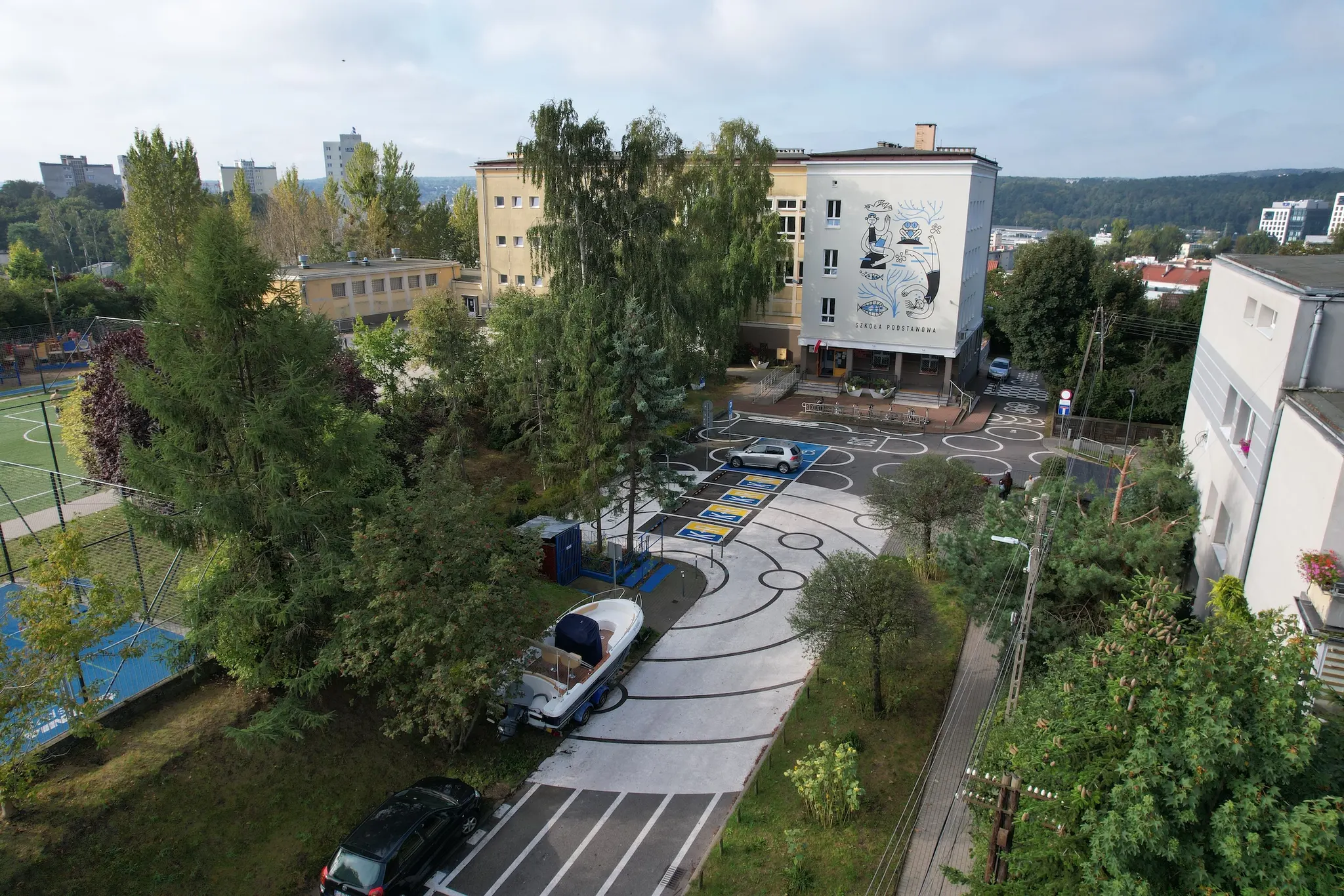
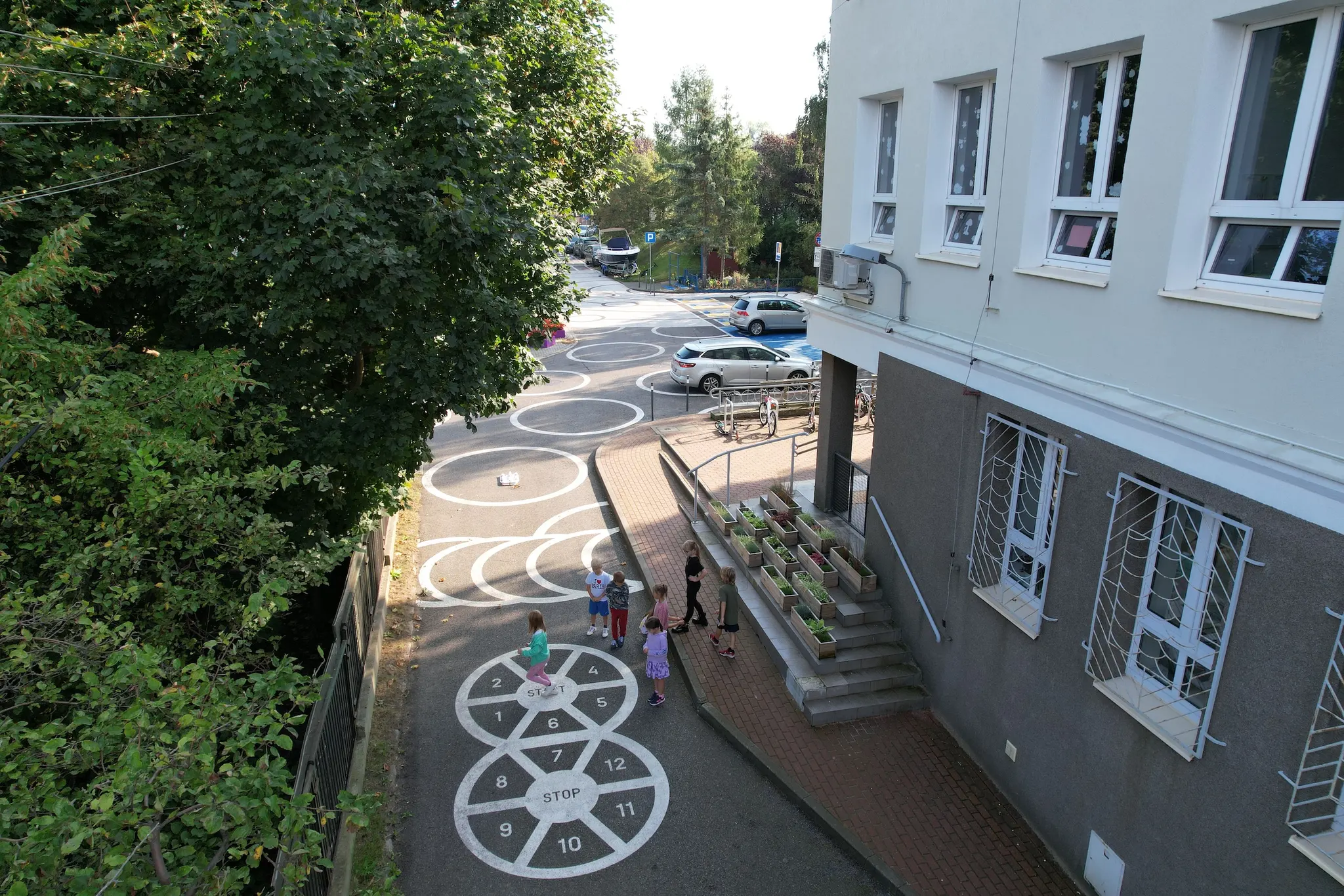
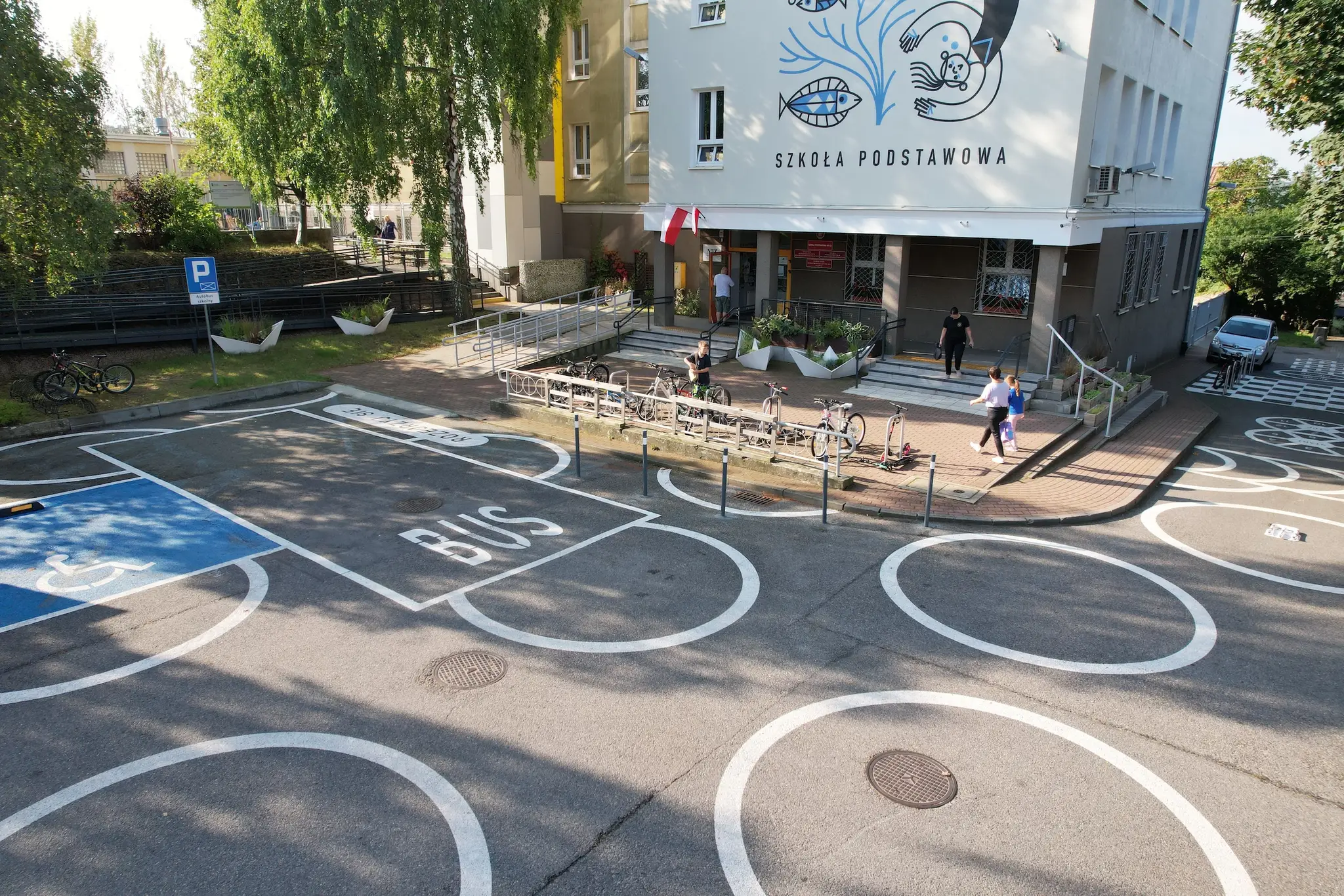
For this project, an area of Haller Street in front of a school for deaf children in Gdynia was transformed into the city’s first “school street,” a pilot project enhancing safety, encouraging physical activity, and stimulating creativity on streets surrounding schools. The project aimed to expand pedestrian space, reorganize parking, and welcome students to play and interact with their environment. The mural design was developed through creative workshops attended by over 270 students and community members and incorporates a number of childhood games along with the abstract shapes. Once the mural was installed, Hallera Street was designated a residential zone, and colorful street furniture was added to further prioritize pedestrians and limit vehicle speed.
Best Practice Highlight: Appointing Children as Researchers
In addition to soliciting student input in the design, the project team took an innovative approach to involving young people directly in the research and evaluation process. Recognizing that children experience and interpret their environment differently than adults, the project leaders collaborated closely with young community members at every stage. Students actively contributed to designing visually engaging questionnaires, developing meaningful questions and graphic icons, and collecting responses from 111 young people. A team of 17 students conducted structured on-site observations in shifts over ten days, using specially designed observation sheets to record activities and interactions in the space before and after the artwork was installed. By empowering children as active researchers, the project gained deeper insights into genuine community experiences and fostered a strong sense of ownership and belonging among the youth participants. This participatory approach not only enhanced the accuracy and relevance of the evaluation but also provided an invaluable educational experience, teaching young residents how they can meaningfully shape their own neighborhoods.
We really taught children how to change their neighborhood. We worked with them for a year or longer, we had so many workshops, and they really made some important decisions. They really feel they belong here now.
Adam Chyliński, Project Manager
Use the sliders to see the transformation
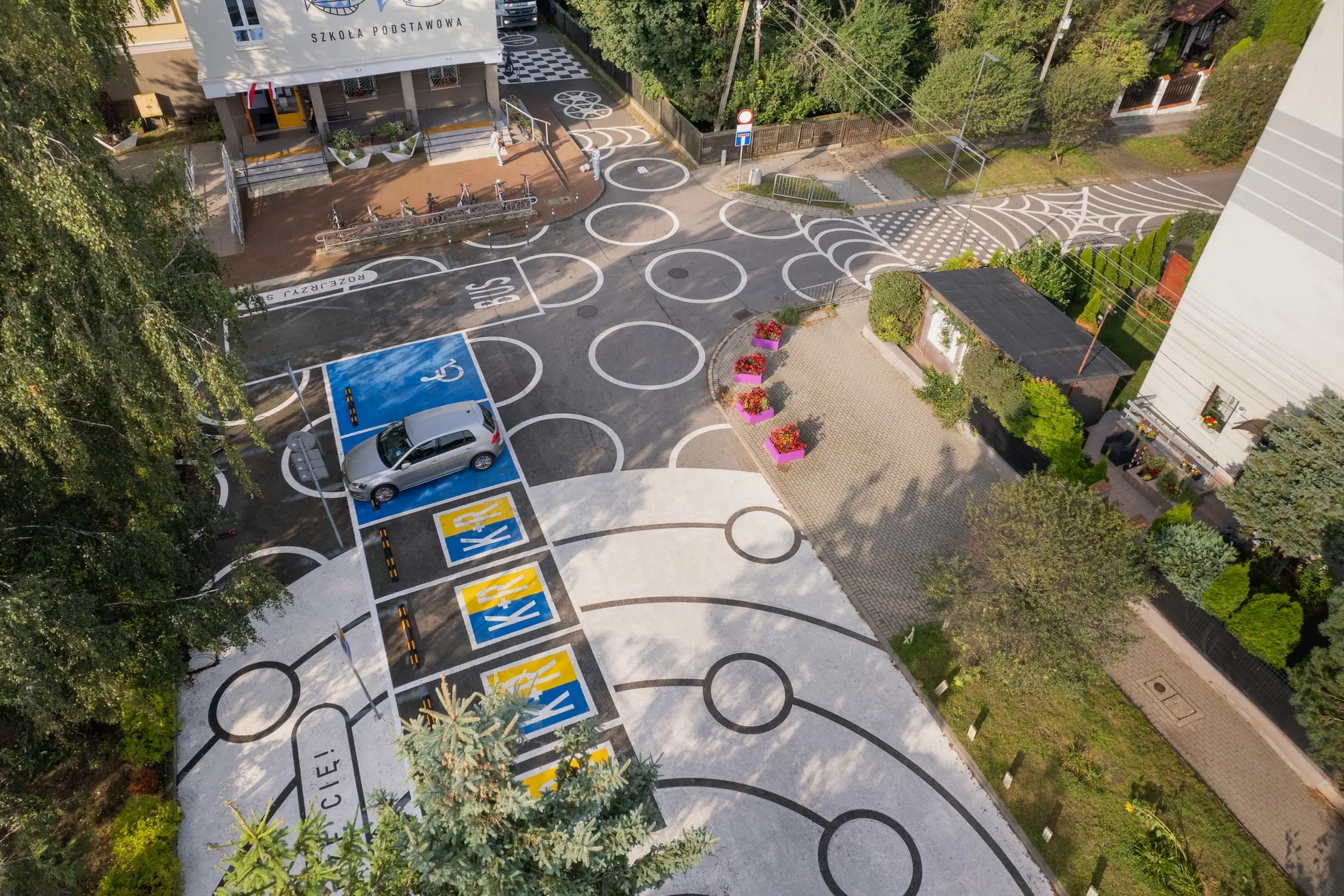
After the installation
- The percentage of people engaging in various activities in the space, as opposed to just passing through, increased from 16% to 66% in the weeks following the installation.
- People’s sense of belonging in the space increased from 34% to 68% and their feelings of discomfort decreased from 63% to 20%
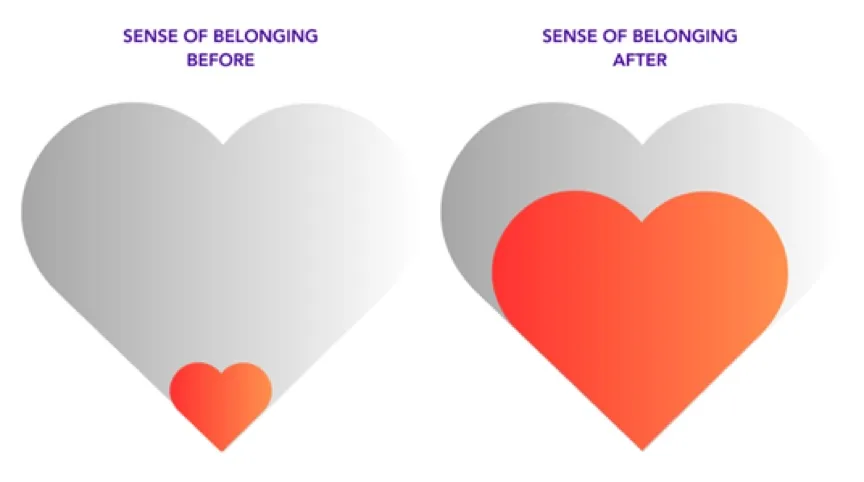
- Children’s feelings of loneliness in the space dropped from 93% to 24%
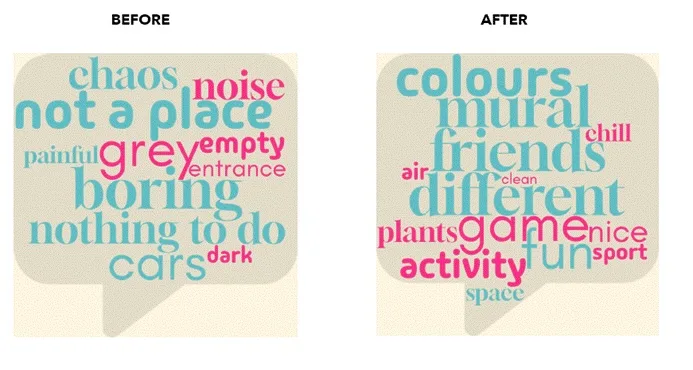
- When asked to describe the area before and after the intervention, children’s descriptions shifted dramatically, from words such as “chaos,” “boring,” and “cars” to “colours,” “friends,” and “fun.”
credits: Adam Chyliński and City of Gdynia
Press
Gdynia Is Showing How To Arrange School Streets. The First Has Been Opened. (White Mad, September 13, 2024)
For inspiration and tips for the creation of art on roadways and public places, download the Bloomberg Associates Asphalt Art Guide which features successful plaza and roadway art activations around the world, as well as key steps for developing such projects.